

Classics are timeless, transcending their date of publication with a lasting originality. The books you see below are from imprints of Carcanet Press and span a number of years; you'll see some from 2014 (like Josipovici's Hotel Andromeda) alongside those from 1845 (like Poe's The Raven).
Titles are offered as a digital package, containing a PDF, EPUB and MOBI.
Carcanet Fiction
Carcanet Fiction publishes novels from a range of culturally-diverse and distinguished international authors including critic, essayist and playwright Gabriel Josipovici, prize-winning Jewish biographer and translator Elaine Feinstein, and Geneva-born academic Christine Brooke-Rose. The authors published under this imprint are those which have contributed greatly to the contemporary literary scene both in Britain and world-wide.
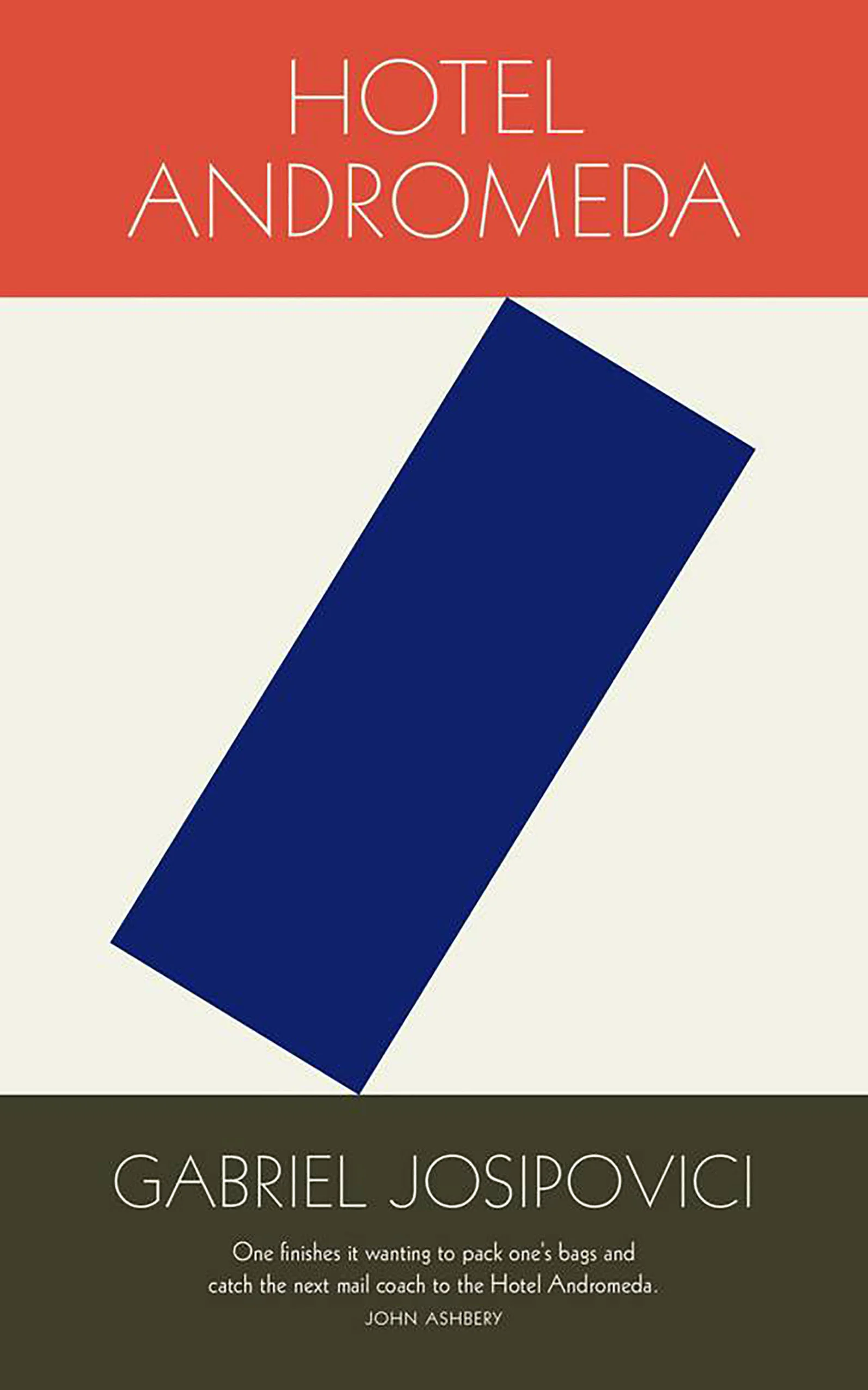
152 Pages
©2014
Publisher: Carcanet Fiction
Purchase includes: EPUB, MOBI & PDF
Read reviews on Amazon & Goodreads
Sometimes I’m tempted to throw away all I’ve written so far and start again, write quite a different kind of book, in the first person perhaps. Or write it in the third person but like a novel, with more freedom to go where a critical study could not go. Only then, I think, will I be able to get as close to Joseph Cornell as I feel I need to...
In a house in a quiet street in North London, Helena struggles with her self-appointed task of writing a book about the reclusive American artist Joseph Cornell. At the same time she dreams and thinks about her sister Alice, working in an orphanage in Chechnya. She is certain that Alice despises her for living a life of comfort and privilege, far away from the horrors of war; yet she knows too that her work is more than self-indulgence. How to reconcile these two visions?
Enter Ed, a Czech journalist and photographer who claims he has been working in Chechnya and brings news of Alice, along with the request for a bed for the few days he has to be in London…
Gabriel Josipovici’s sparkling new novel charts the course of those few days, as Joseph Cornell’s mysterious life and the strange boxes he constructed wage a silent struggle in Helena’s mind and spirit with the imperatives of the present.
Hotel Andromeda takes its title from a work by the eccentric American artist Joseph Cornell, whose glass-lidded wooden boxes filled with odd detritus frequently bear the names of provincial nineteenth-century European hotels. Helena, a young writer, is obsessed with Cornell’s work. Its sense of loss frequently echoes that in her own life, especially with regard to her uncommunicative sister, who lives in Chechnya. For Helena, the horrors of war in that strife-plagued country are somehow dimly echoed in Cornell’s moonstruck artefacts. By the end, Cornell has somehow taught her to recreate him ‘with all his maddening foibles, but also his quality as a visionary, an ambiguous visionary, the only kind tolerable in our modern world’. Gabriel Josipovici transforms Helena’s quest into a full-fledged drama, replete with romance and surprises. One finishes it wanting to pack one’s bags and catch the next mail coach to the Hotel Andromeda. — John Ashbery
Gabriel Josipovici’s most recent novel, Hotel Andromeda, offers a wonderful entry-point into the collage-boxes of Joseph Cornell. Evoking the specific ‘atmosphere’ of this most reclusive and elusive of twentieth-century culture-heroes, he sidesteps any critical closure, in an exploration always open to ethical and aesthetic uncertainty. A young woman, an art-historian in contemporary London, struggles to maintain her belief in art’s value ,in the face of catastrophe elsewhere; out of this tension, Josipovici creates a marvellous tragi-comic ‘box’, within which Cornell’s own poetic vision emerges – both light and profound. - Timothy Hyman, RA
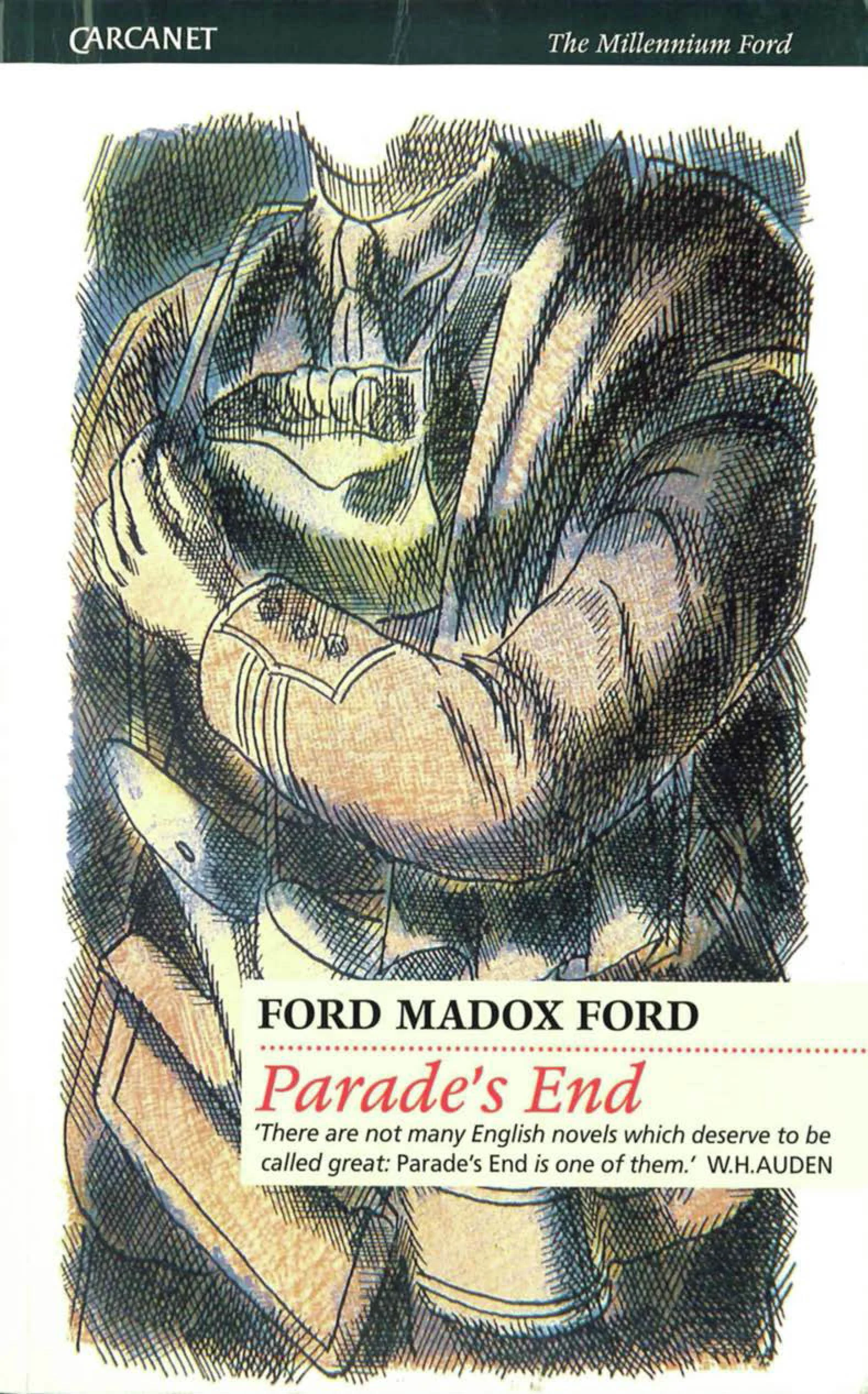
845 Pages
©2006
Publisher: Carcanet Fiction
Purchase includes: EPUB, MOBI & PDF
Read reviews on Amazon & Goodreads
'There are not many English novels which deserve to be called great: Parade's End is one of them.' — W.H.Auden, 1961
Parade's End is the title Ford Madox Ford gave to his greatest work, the four Tietjens novels which, in Graham Greene's words, tell 'the terrifying story of a good man tortured, pursued, driven into revolt, and ruined as far as the world is concerned by the clever devices of a jealous and lying wife'. He wanted to see the book printed in one volume: Some Do Not (1924), No More Parades (1925) and A Man Could Stand Up (1926), with his afterthought, The Last Post (1928).
Christopher Tietjens is the last of a breed, the Tory gentleman, which the Great War, a savage marriage to Sylvia, and the qualities inherent in his nature, define and unravel. Here the War's attritions offered no escape from domestic witchcraft. Opposite Tietjens is Macmaster, a Scot, different in class and culture, at once friend and foil. Here Ford's art and his human vision achieve their greatest complexity and subtlety.
With an afterword by Gerald Hammond
Gerald Hammond is Professor of English at the University of Manchester, author of The Making of the English Bible, Fleeting Things and other critical volumes and editor of the Selected Poems of John Skelton and of Richard Lovelace in the FyfieldBooks series.
This volume is part of The Millennium Ford project which aims to bring all the major writings of this great writer back into circulation.
Ford Madox Ford (the name he adopted in 1919: he was originally Ford Hermann Hueffer) was born in Merton, Surrey, in 1873. His mother, Catherine, was the daughter of the Pre-Raphaelite painter Ford Madox Brown. His father, Francis Hueffer, was a German emigré, a musicologist and music critic for The Times. Christina and Dante Gabriel Rossetti were his aunt and uncle by marriage. Ford published his first book, a children’s fairytale, when he was seventeen. He collaborated with Joseph Conrad from 1898 to 1908, and also befriended many of the best writers of his time, including Henry James, H.G. Wells, Stephen Crane, John Galsworthy and Thomas Hardy. He is best known for his novels, especially The Fifth Queen (1906–8), The Good Soldier (1915) and Parade’s End (1924–8). He was also an influential poet and critic, and a brilliant magazine editor. He founded the English Review in 1908, discovering D.H.Lawrence, Wyndham Lewis and Ezra Pound, who became another close friend. Ford served as an officer in the Welch Regiment 1915–19. After the war he moved to France. In Paris he founded the transatlantic review, taking on Ernest Hemingway as a sub-editor, discovering Jean Rhys and Basil Bunting, and publishing James Joyce and Gertrude Stein. In the 1920s and 1930s he moved between Paris, New York, and Provence. He died in Deauville in June 1939. The author of over eighty books, Ford is a major presence in twentieth-century writing.
Of his novels, Carcanet publish The Good Soldier, Parade's End, The Rash Act and Ladies Whose Bright Eyes. Carcanet also publish The English Novel, The Ford Madox Ford Reader, A History of Our Own Time and Selected Poems, War Prose, Return to Yesterday, and other titles. Some of these have been released as part of The Millennium Ford series, which aims to bring all his major work back into circulation.
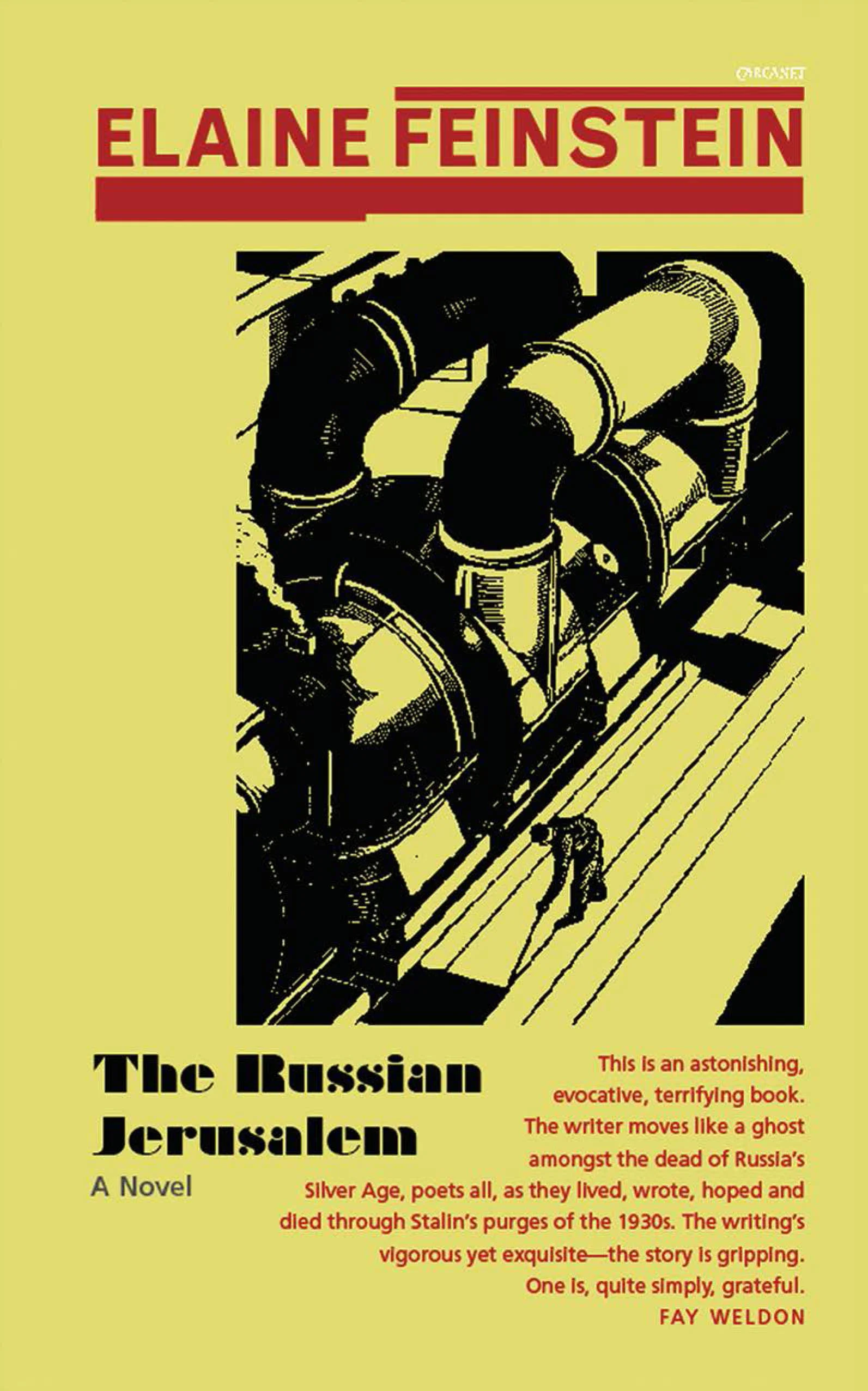
164 Pages
©2008
Publisher: Carcanet Fiction
Purchase includes: EPUB, MOBI & PDF
Read reviews on Amazon & Goodreads
Beginning in present-day St Petersburg, The Russian Jerusalem explores the landscape of twentieth century Russian literature. In this evocative autobiographical novel, distinguished poet, translator, novelist and biographer Elaine Feinstein moves among the dead poets of Stalin's Russia with the poet Marina Tsvetaeva as her Virgil, mingling with the ghosts of writers such as Anna Akhmatova, Boris Pasternak, Osip Mandelstam and Joseph Brodsky. These imaginary encounters are interspersed with new poems by Feinstein. The author, herself of Russian descent, reconstructs the lives and fates of Russian, often Jewish, writers during the long age of Soviet terror, re-establishing them at the heart of the European tradition.
'In this fascinating, lyrical meditation on literature, politics, suffering and friendship, Elaine Feinstein - a biographer of poets and a poet of the first rank herself - takes us on a richly imagined journey through a lost literary archipelago, and reconstructs the lives and fates of Russian, often Jewish, writers during the long age of Soviet terror. Combining family history, travels through modern Russia and very personal encounters with famous ghosts, Feinstein evokes, throughpoetry and prose, both the inferno of cruelty and persecutions, and a golden Jerusalem of creativity, talent and intense literary bonds. This is a moving, original work, for which Feinstein has created a selection of poems worthy of the predecessors she admires.' - EVA HOFFMAN
'All poets are Jews, said Marina Tsvetaeva. Elaine Feinstein, Britain's most distinguished Jewish poet, was her first translator into English and has a wonderful wiry lyricism of her own, influenced both by Russian poetry and by Charles Olson and the Black Mountain poets. She has written here a unique blend of poetry, history and personal memoir, a descent into the heartbreaking and ground breaking vistas of Russian Jewry, and Russian literary figures of the twentieth century. The poets of genius whom she did not know alive, she knows equally intimately in the best way in which one poet knows another - by learning, reading, studying, translating. The book opens with her memories of renting a flat in a rundown quarter of St Petersberg in 2005, and also with Marina Tsetaeva accepting, as Virgil accepted for Dante, the role of guide to the underworld of colourful and talented figures Feinstein has known in her rich literary life, both in Russia, London and Cambridge.' - RUTH PADEL
Elaine Feinstein is a poet, novelist, and biographer. She has received many prizes, including a Cholmondeley Award for Poetry, Society of Authors', Wingate and Arts Council Awards, the Daisy Miller Prize for her experimental novel The Circle, (long-listed for the ‘lost’ Man Booker prize in 2010) and an Honorary D.Litt from the University of Leicester. She has travelled across the world to read her poems, and her books have been translated into most European languages; also Russian, Chinese, Japanese and Korean. Her versions of the poems of Marina Tsvetaeva, a New York Times Book of the Year, have remained in print since 1971. She was given a major grant from the Arts Council to write her most recent novel, The Russian Jerusalem, a phantasmagoric mix of prose and poetry (Carcanet, 2008). She has served on the Council of the Royal Society of Literature, of which she is a Fellow, as a judge for most of the current literary prizes, and as Chair of the Judges for the T.S.Eliot Award. She received a Civil List Pension in 2010.
Elaine Feinstein has a page on the Poetry Archive website, where you can listen to recordings of her reading from her work, and access other useful resources. Click here.
144 Pages
©2006
Publisher: Carcanet Fiction
Purchase includes: EPUB, MOBI & PDF
Read reviews on Amazon & Goodreads
She is eighty. Facing death, she considers her experiments with narrative, and with the narrative of her life. What is the purpose of the narrative she is creating here, and what the purpose of the life that lives it in the writing? At the centre of Life, End of, in a mock-technical lecture from the Character to the Author, she comes to accept that her experiments in narrative are like life: the narrative creates itself.
Christine Brooke-Rose's last novel is a darkly comic exploration of the meanings and non-meanings to which, in the end, life and art lead us.
Christine Brooke-Rose was born in Geneva and educated at Somerville College, Oxford and University College, London. She taught at the University of Paris, Vincennes, from 1968 to 1988 and lived for many years in the south of France. Carcanet publish her novels Amalgamemnon, Xorandor, Verbivore and Texterminationand her earlier novels Out, Such, Between and Thru in the Brooke-Rose Omnibus. Also available is her autobiographical work, Remake(1996). She died on 21 March 2012.
Fyfield Books
Carcanet’s version of Penguin Classics, the Fyfield list celebrates classic and canonical poets including Rossetti, Wilde, Catullus, Petrarch, Ovid, Rilke, Pessoa, Wyatt, Poe, Kipling, the Brontes, and many more. A broad and diverse list ranging from Ancient Rome, Renaissance Europe, nineteenth century and Victorian Britain, to early twentieth century key figures Sylvia Townsend Warner, James K. Baxter, Rainer Maria Rilke, Ivor Gurney, and Ford Madox Ford, Fyfield brings to life the works of the most influential poets of all time.
168 Pages
©2012
Publisher: Fyfield Books
Purchase includes: EPUB, MOBI & PDF
Read reviews on Amazon & Goodreads
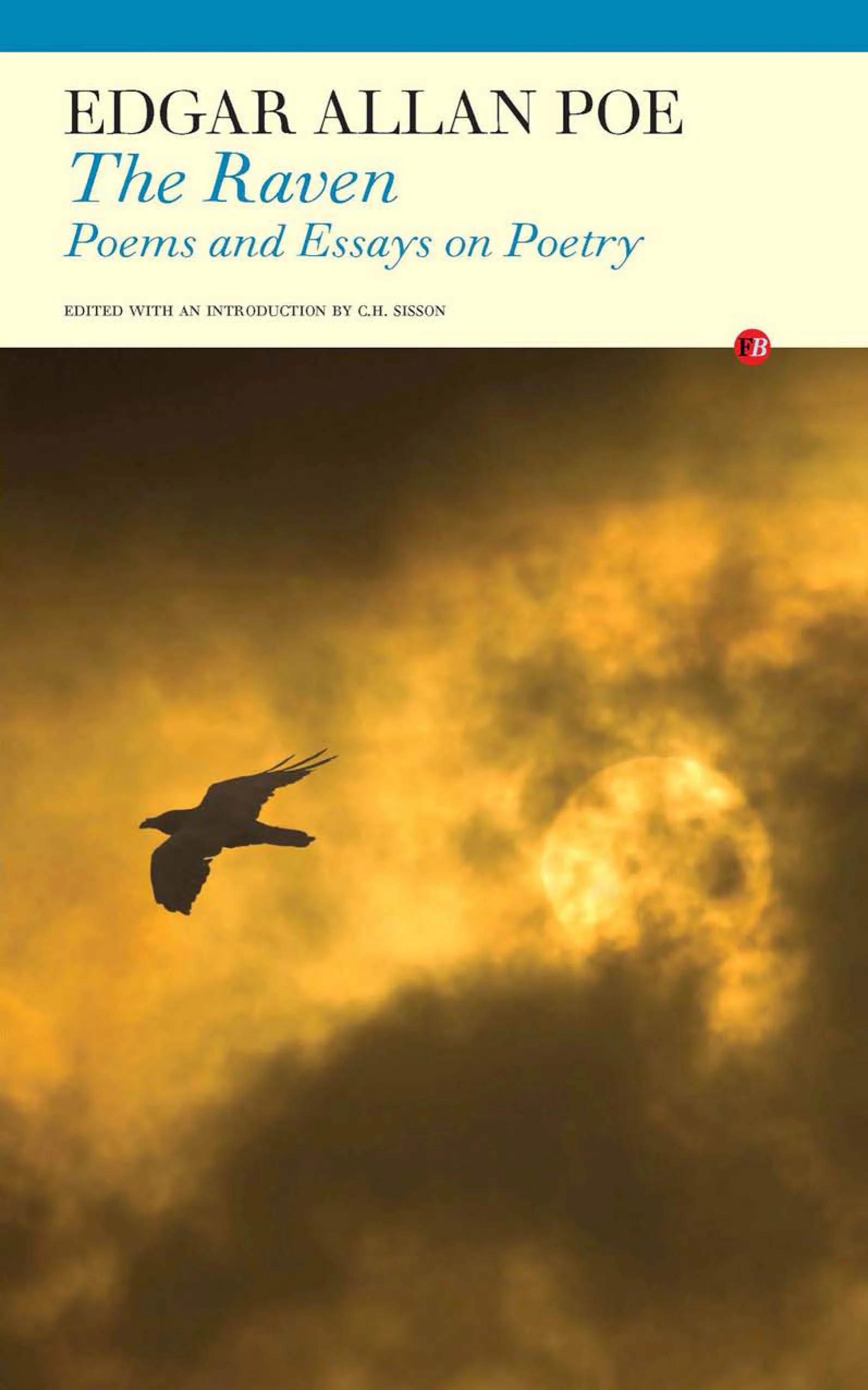
An indispensable collection of the work of one of the 19th century’s most compelling and original poets, this comprehensive edition contains all of Edgar Allan Poe’s poetry and three most important essays. Reissued to coincide with the release of a major Hollywood film of the same title, it exposes Poe’s diversity and genius, from breathtakingly seductive beauty of “To Helen” to the claustrophobic horror of “The Raven.” Unique in that it features the poetry of a writer more famous for his fiction, this book proves that Poe’s work runs deeper than the American gothic genre.
Edgar Allan Poe (1809-1849) is the poet of the night world, of the inexplicable, the uncanny. His poems do not analyse, they do not explain: they exist with the intensity of hallucinations. In the breathtakingly seductive beauty of ‘To Helen’ – ‘Like those Nicéan barks of yore, / that gently o’er a perfumed sea...’, or the claustrophobic horror of ‘The Raven’, Poe offers haunting alternative realities, as strange – and strangely familiar – as our dreams and nightmares.
Yet Poe was more than a poet of American gothic. He was translated by Baudelaire and Mallarmé, becoming a key figure in French Symbolism; he was an influential critic. This edition contains all Poe’s poetry and his three most important essays. With an introduction by the poet C.H. Sisson, it is an indispensable collection of the work of one of the nineteenth century’s most compelling and original poets.
128 Pages
©1992
Publisher: Fyfield Books
Purchase includes: EPUB, MOBI & PDF
Read reviews on Amazon & Goodreads
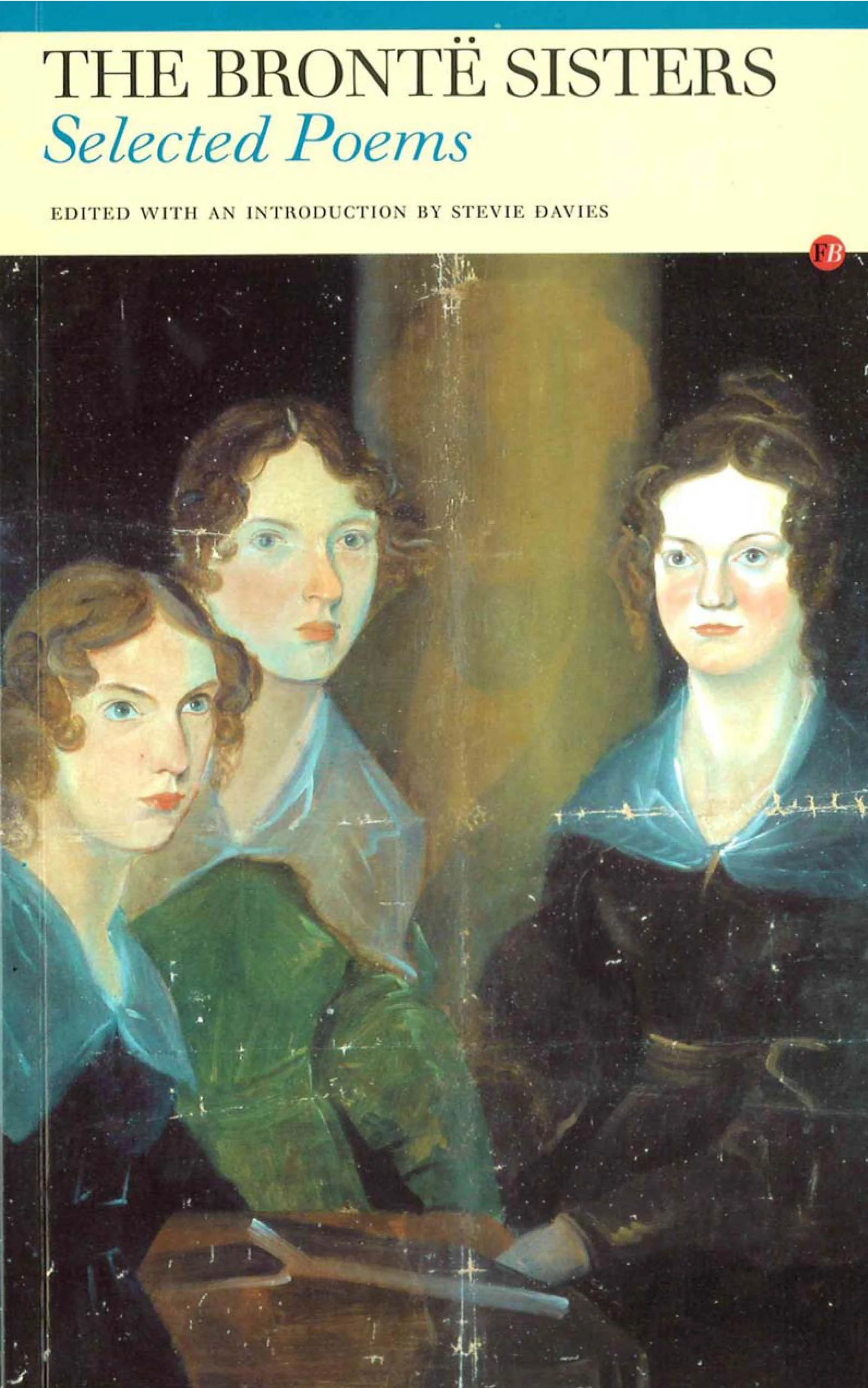
Although The Brontes have long fascinated readers of fiction and biography, their poetry was all too little known until this pioneering selection by Stevie Davies, the novelist and critic. Charlotte (1816-1855) is certainly a competent poet, and Anne (1820-1849) developed a distinctive voice, while Emily (1818-1848) is one of great women poets in English.
All three sisters, as Stevie Davies remarks in her introduction, were Romantic in inspiration, writing poetry of passionate personal feeling and of pure imagination. They share certain themes - liberty, loneliness, love - and harbour the myth of a lost paradise. Read together with their novels, the poems movingly elucidate the ideas around which the narratives revolve. And they surprise us out of our conventional notions of the sisters' personalities: Emily's rebelliousness, for example, is counterbalanced here by great tenderness.
This selection gives an idea of the variety of thought and feeling within each author's work, and of the way in which the poems of these three remarkable writers parallel and reflect each other.
336 Pages
©2014
Publisher: Fyfield Books
Purchase includes: EPUB, MOBI & PDF
Read reviews on Amazon & Goodreads
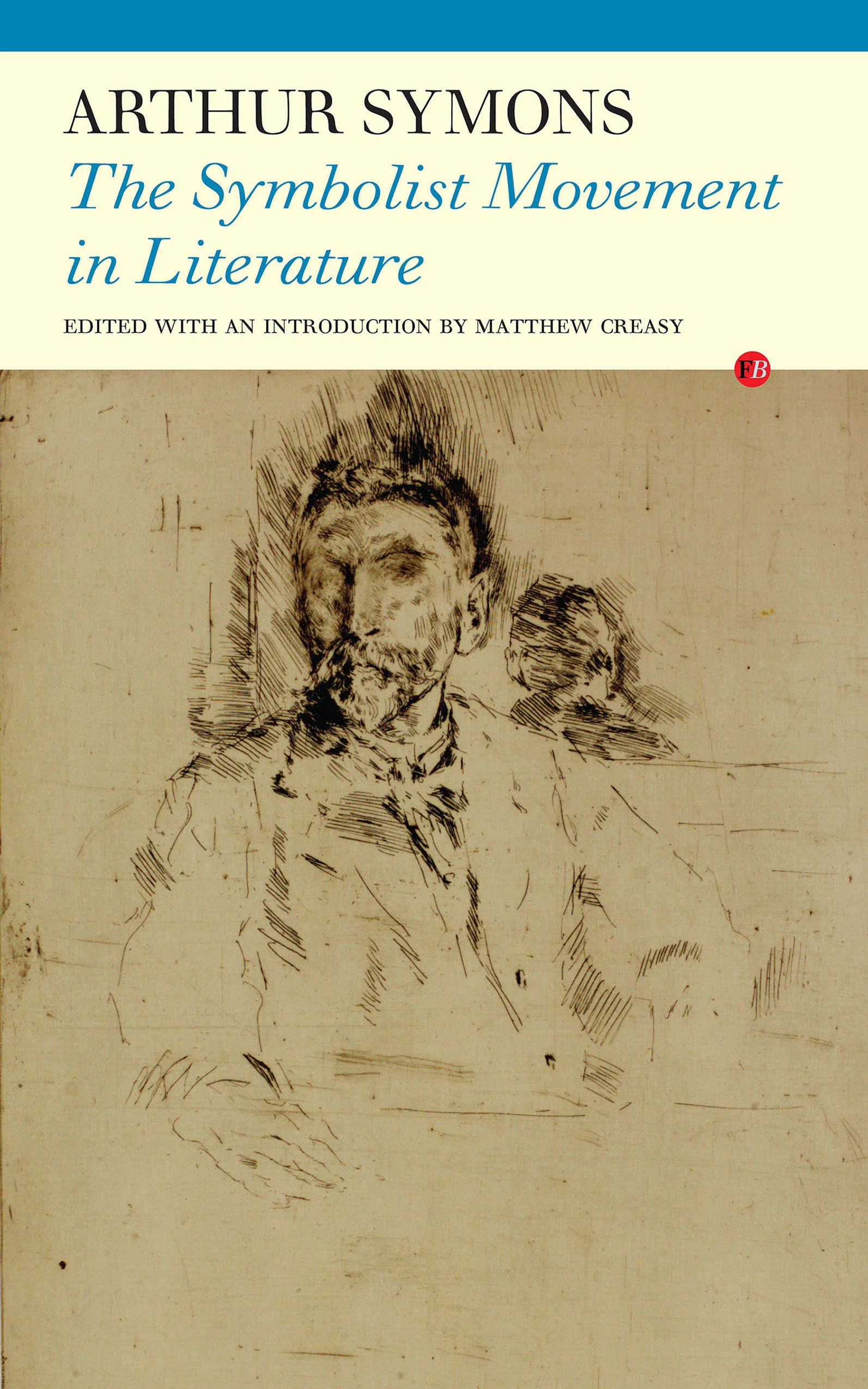
First published in 1899, The Symbolist Movement in Literature was a highly influential work of criticism, and served to introduce the French Symbolists to an Anglophone readership. Symons’ interest in writers such as Paul Verlaine and Stéphane Mallarmé puts him at the heart of contemporary debates about Decadence and Symbolism in fin-de-siècle literature; but his work was also a formative influence on modernist writers such as Joyce, Eliot, Pound and Yeats, helping to shape the role of the Image in modernist writing. This new critical edition makes available a key text that has been out of print for over 50 years, and includes the essays that Symons added to the expanded edition of his book in 1919. It also includes an introduction, chronology and notes, together with appendices presenting the full text of Symons’ essay ‘The Decadent Movement in Literature’ and a selection of his translations of poems by Verlaine and Mallarmé.
Arthur Symons was born in Milford Haven in 1865. He lived in London, where he frequented the Rhymers' Club, a group of writers who met at the Cheshire Cheese in Fleet Street between 1891 and 1894. A friend of Ernest Dowson, Lionel Johnson and Wilde, he was an important influence on Yeats, with whom he shared lodgings for a time. He contributed to The Yellow Book and became editor of The Savoy. Symons was fluent in French and Italian; his The Symbolist Movement in Literature (1899)was influential in introducing French Symbolism to English readers. He was also a translator of Baudelaire and Zola, and a leading critic. Symons died in 1945.
144 Pages
©1992
Publisher: Fyfield Books
Purchase includes: EPUB, MOBI & PDF
Read reviews on Amazon & Goodreads
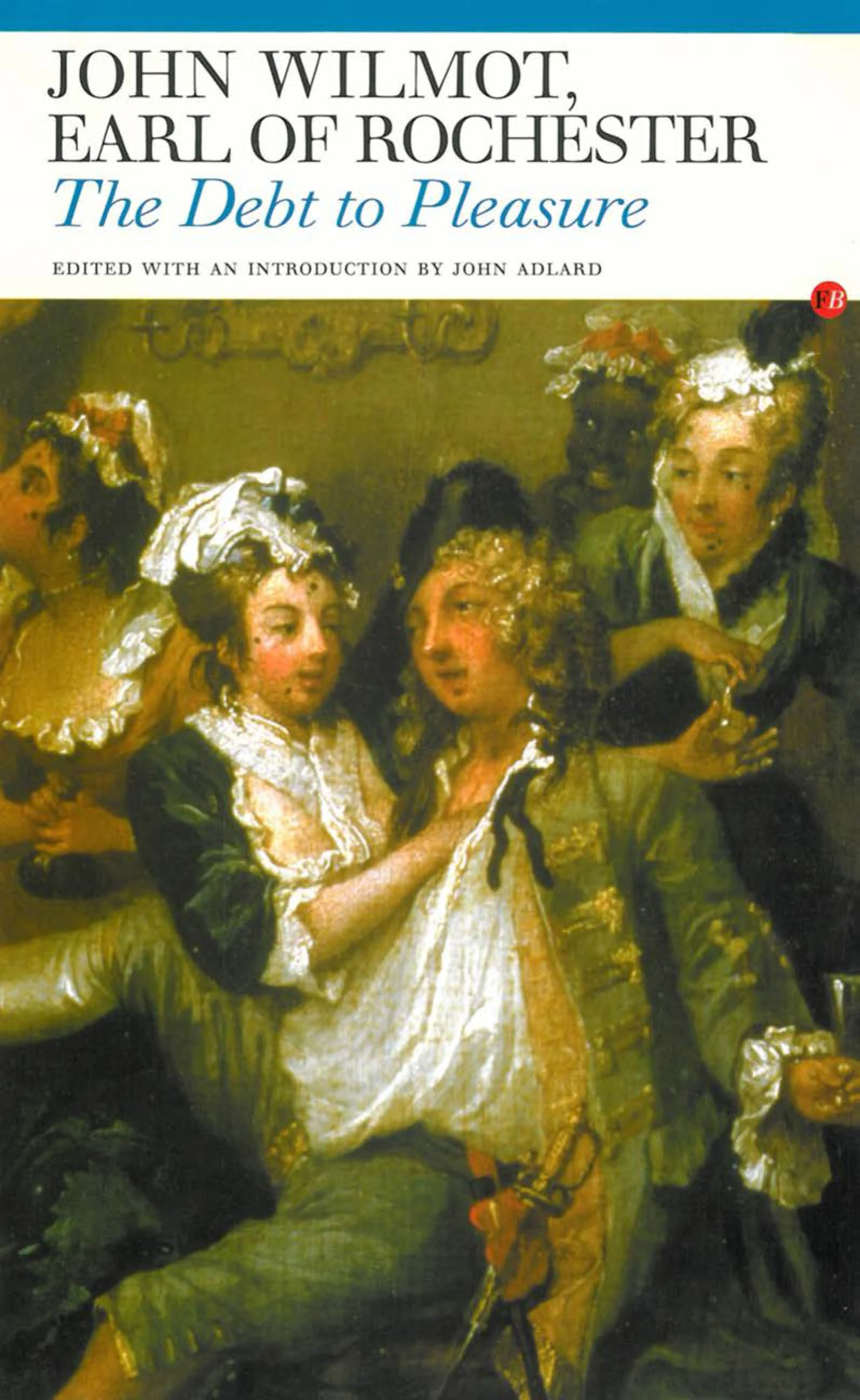
Rochester, incontestably the greatest of the Restoration poets and reprobates, is presented in The Debt to Pleasure both in his own words and the words of those who loved or loathed him. The book is a mosaic in which the poet's voice and the voice of his age sound with a startling, ribald and riotous clarity.
As John Evelyn recalls: 'Mr Andrew Marvell (who was a good Judge of Witt) was wont to say that [Rochester] was the best English Satyrist and had the right veine. Twas pitty Death tooke him off so soon.
John Wilmot, Earl of Rochester (1648-1680) was born near Oxford and studied at Wadham College, Oxford, where he was awarded an MA. He travelled until 1664, but was then imprisoned in the Tower of London for a time, allegedly for trying to abduct a Somerset heiress, whom he married upon his release from prison. He wrote satires, love poems and plays throughout his adult life, and died at Woodstock Park in July 1680.
Carcanet Poetry
Now in its fifth decade, Carcanet publishes the most comprehensive and diverse list available of modern and classic poetry in English and in translation. The poetry list includes multi-award-winning poets, former Poet Laureates, bestselling and internationally-acclaimed poets and the most exciting upcoming and emerging poets from all over the globe.
80 Pages
©2014
Publisher: Carcanet Poetry
Purchase includes: EPUB, MOBI & PDF
Read reviews on Amazon & Goodreads
Winner of the 2014 Forward Prize for Best Collection
Shortlisted for the 2014 International Dylan Thomas Prize
Shortlisted for the 2014 Costa Book Awards for Poetry
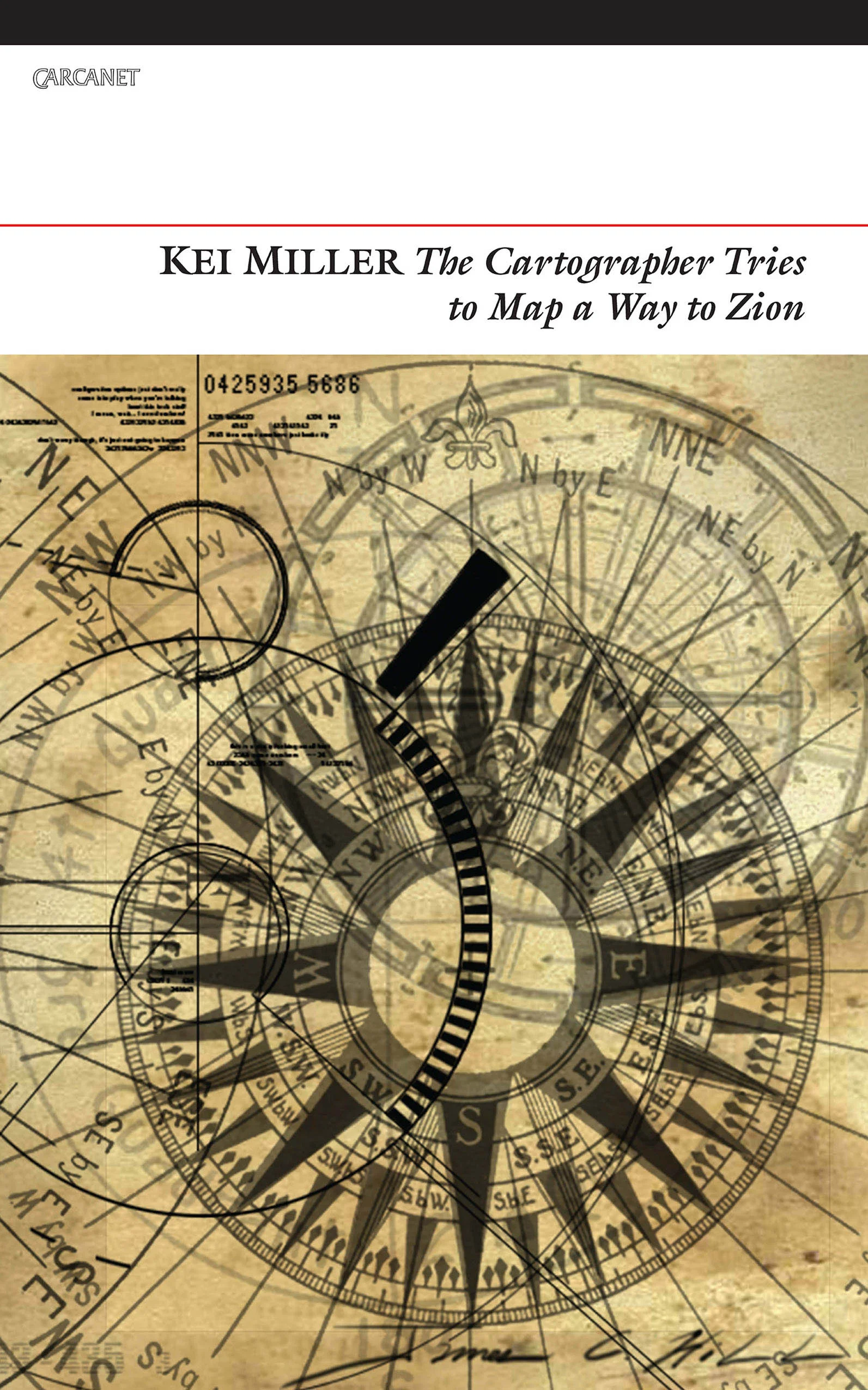
In his new collection, acclaimed Jamaican poet Kei Miller dramatises what happens when one system of knowledge, one method of understanding place and territory, comes up against another. We watch as the cartographer, used to the scientific methods of assuming control over a place by mapping it (‘I never get involved / with the muddy affairs of land’), is gradually compelled to recognise – even to envy – a wholly different understanding of place, as he tries to map his way to the rastaman’s eternal city of Zion. As the book unfolds the cartographer learns that, on this island of roads that ‘constrict like throats’, every place-name comes freighted with history, and not every place that can be named can be found.
The verse movement here, the interplay of sound values in inner rhyme and consonantal pairing, in fact the whole lyrical movement of the text, I find exemplary.—Peter Riley, Fortnightly Review
80 Pages
©2013
Publisher: Carcanet Poetry
Purchase includes: PUB, MOBI & PDF
Read reviews on Amazon & Goodreads
Winner of the 2013 T S Eliot Prize for Poetry
Shortlisted for the 2013 Forward Prize for Best Collection
Winner of the 2014 Irish Times Poetry Now Award
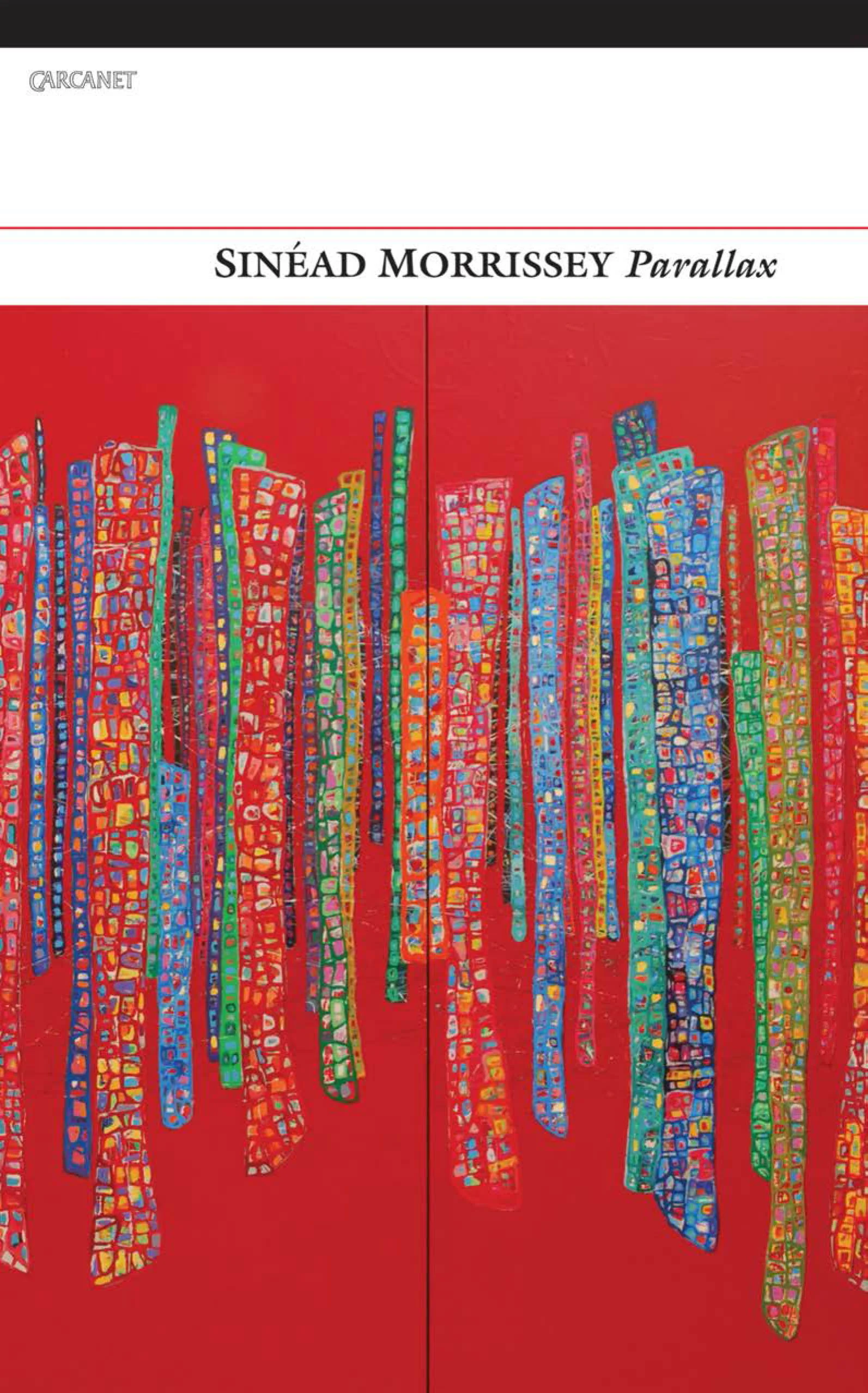
In Parallax Sinéad Morrissey documents what is caught, and what is lost, when houses and cityscapes, servants and saboteurs (‘the different people who lived in sepia’) are arrested in time by photography (or poetry), subjected to the authority of a particular perspective. Assured and disquieting, Morrissey’s poems explore the paradoxes in what is seen, read and misread in the surfaces of the presented world.
In a year of brilliantly themed collections, the judges were unanimous in choosing Sinéad Morrissey’s Parallax as the winner. Politically, historically and personally ambitious, expressed in beautifully turned language, her book is as many-angled and any-angled as its title suggests.—Ian Duhig, Chair of the 2013 T S Eliot Prize Judges
The outstanding poet of her generation.—Stephen Knight, Independent
96 Pages
©2007
Publisher: Carcanet Poetry
Purchase includes: PUB, MOBI & PDF
Read reviews on Amazon & Goodreads
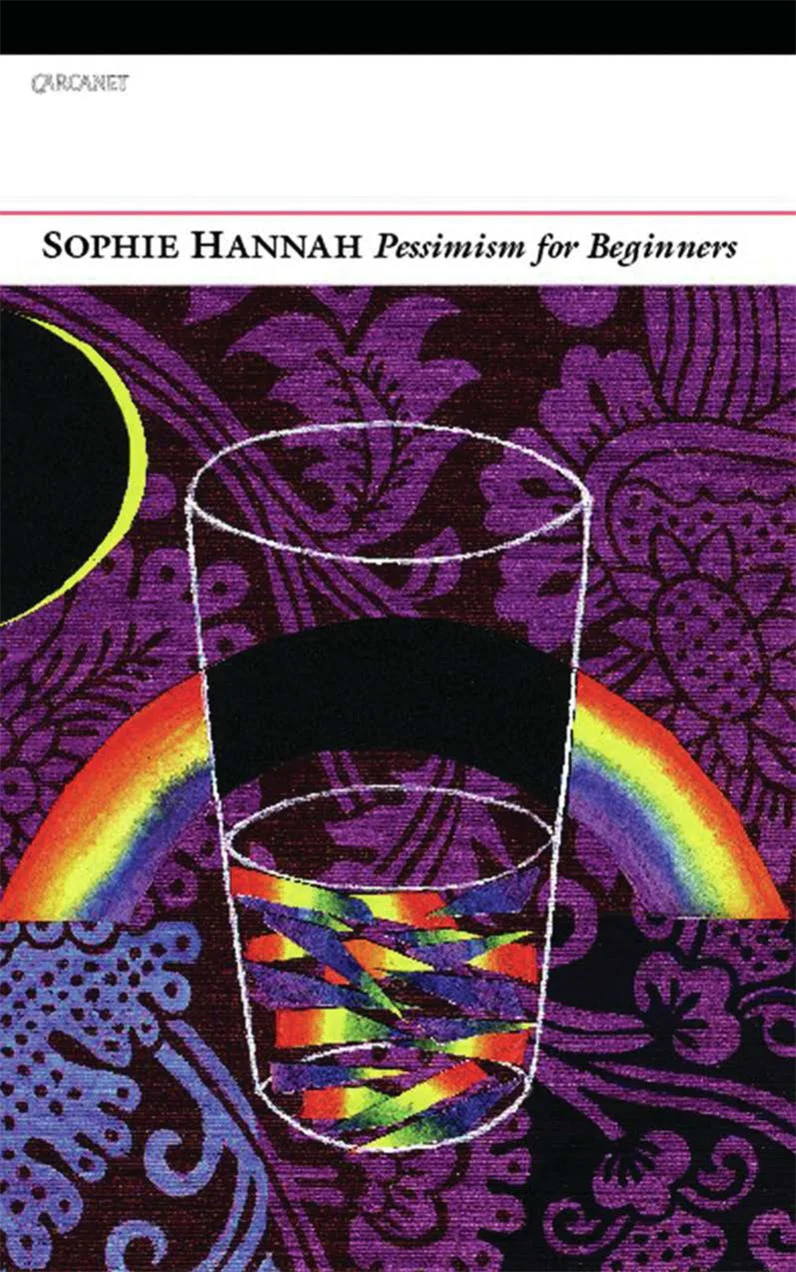
Sophie Hannah's sharp pen dissects modern life and relationships with insouciant honesty and ruthless wit, and her love poems evoke timeless feelings with a shrewd simplicity that deepens her range. An edge of desolation, tenderness - an occasional flash of cruelty - and an ebullient delight in language make this a book of bittersweet pleasures.
Pessimism for Beginners includes an extract from the opening chapter of Sophie Hannah's second psychological thriller, Hurting Distance, published by Hodder & Stoughton, described by The Times as 'a superbly creepy, twisty thriller about obsessive love, psychological torture and the darkest chambers of the human heart'. In poetry and prose, Sophie Hannah is compellingly readable.
'Shall I put it in capitals? SOPHIE HANNAH IS A GENIUS.'—Poetry Review.
'Sophie Hannah is a poet of considerable skill...A shrewd and accurate observer of the world around her, and of her own life, she is often very funny.'—Wendy Cope
'Sophie Hannah is one of my favourite young poets...she writes pithy, witty, poignant poems about love and relationships.'—Daisy Goodwin
64 Pages
©2012
Publisher: Carcanet Poetry
Purchase includes: PUB, MOBI & PDF
Read reviews on Amazon & Goodreads
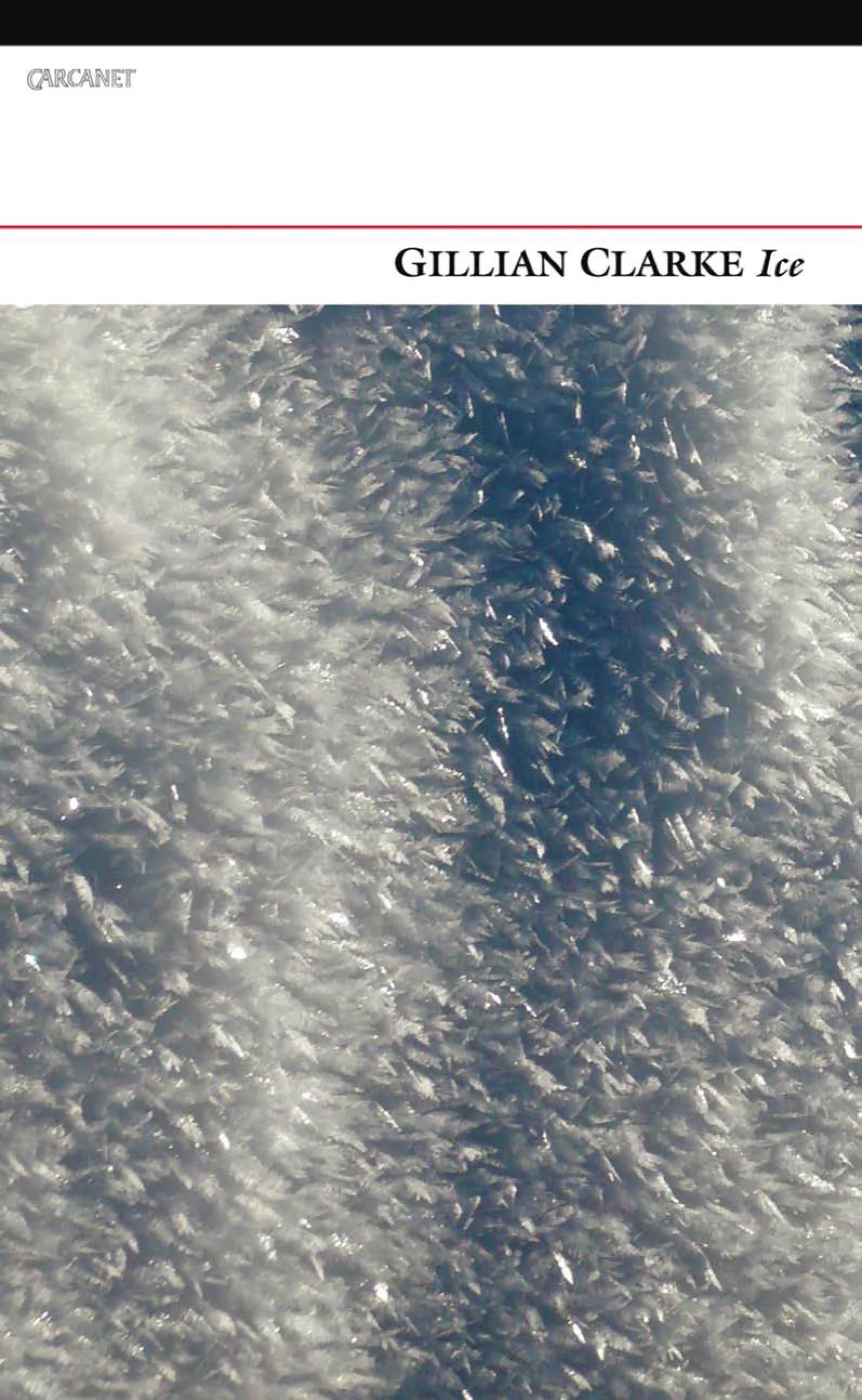
In Ice Gillian Clarke turns to the real winters of 2009 and 2010. In their extremity they redefined all the seasons for her. Nature asserted itself and renewed the environment for the imagination. The poem ‘Polar’ is the poet’s point de repère, evoking a polar-bear rug she had as a child and here resurrects in a spirit of personal and ecological longing that becomes a creative act. She lives with the planet, its seasons and creatures, in a joyful, anxious communion.
The book also includes the ‘asked for’ and commissioned poems, and the Guardian spreads Clarke has written during her time as National Poet of Wales (2008 onwards). She follows in the rich millennium-old Welsh tradition of occasional writing going back to the first-known named British poets Aneirin and Taliesin in the sixth century.
Gillian Clarke is one of the most widely respected and deeply loved poets in the world.—Carol Ann Duffy, Poet Laureat
Lives and Letters
Comprised of collections of letters, journals, diaries, biography and literary essays, the Lives and Letters imprint boasts non-fictional works from some of the most significant and pioneering literary figures of the twentieth century and today. From Muriel Spark’s critical musings on Mary Shelley and The Brontes, to Scotland’s first National Poet Edwin Morgan’s candid correspondences with colleagues, peers and lovers alike; from Ford Madox Ford’s reflections on the state of Britain in the aftermath of WWI to speculations on a changing Irish culture from leading Irish poet Eavan Boland and Irish academic Jody Allen Randolph.

292 Pages
©1999
Publisher: Lives and Letters
Purchase includes: EPUB, MOBI & PDF
Read reviews on Amazon & Goodreads
Ford Madox Ford's post-war masterpiece, Parade's End, is recognised as one of the great British novels about the First World War. This selection from his other extensive writings about the war, published and unpublished, sheds light on the tetralogy. It includes reminiscences, an unfinished novel, stories and excerpts from letters. Ford was in his forties when he enlisted: this made him one of the few writers of his maturity to fight on the Western Front. His experience of combat was limited, but he was in the Battle of the Somme, was often under bombardment, and suffered from shell-shock. His largely psychological response to the war anticipates the recent renewal of interest in trauma and shell-shock (as, for example, in Pat Barker's Ghost Road trilogy). This book provides important testimony by one of the best writers of his generation.
320 Pages
©1997
Publisher: Lives and Letters
Purchase includes: EPUB, MOBI & PDF
Read reviews on Amazon & Goodreads
Here is a portrait of the poet by his wife which has no equal, not even in Mary Shelley's sketches of her husband.—New Statesman
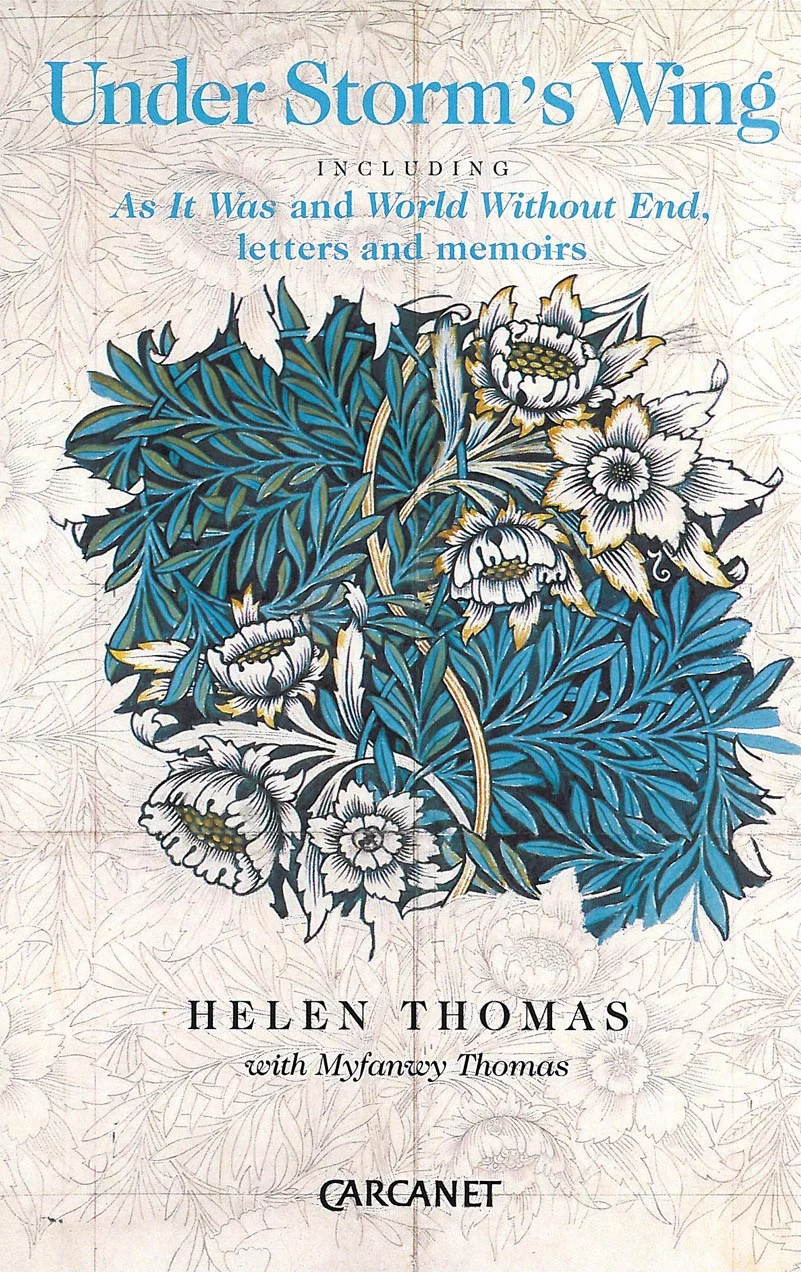
Under Storm's Wing collects all that Helen Thomas (1877-1967) wrote about the poet Edward Thomas(1878-1917): the celebrated volumes As It Was and World Without End, her letters to Edward, and separate memoirs of her meetings with W.H. Davies, D.H.Lawrence, Ivor Gurney, Eleanor Farjeon, Robert Frost and W.H. Hudson. The book has been assembled by Myfanwy, the youngest daughter of Edward and Helen. Myfanwy includes her own enchanted account of childhood with her father, and the tragedy of his death at the Battle of Arras in 1917. She adds an appendix of six letters from Robert Frost to Edward Thomas.
Helen wrote As It Was, the story of her courtship and early marriage, shortly after Edward's death, and World Without End a few years later. In the original editions and later reprints fictitious names were used for the protagonists. In this edition the actual names are restored.
The book provides a brilliant, lasting evocation of one of Britain's best-loved poets.
1,000 Pages
©2010
Publisher: Lives and Letters
Purchase includes: EPUB, MOBI & PDF
Read reviews on Amazon & Goodreads
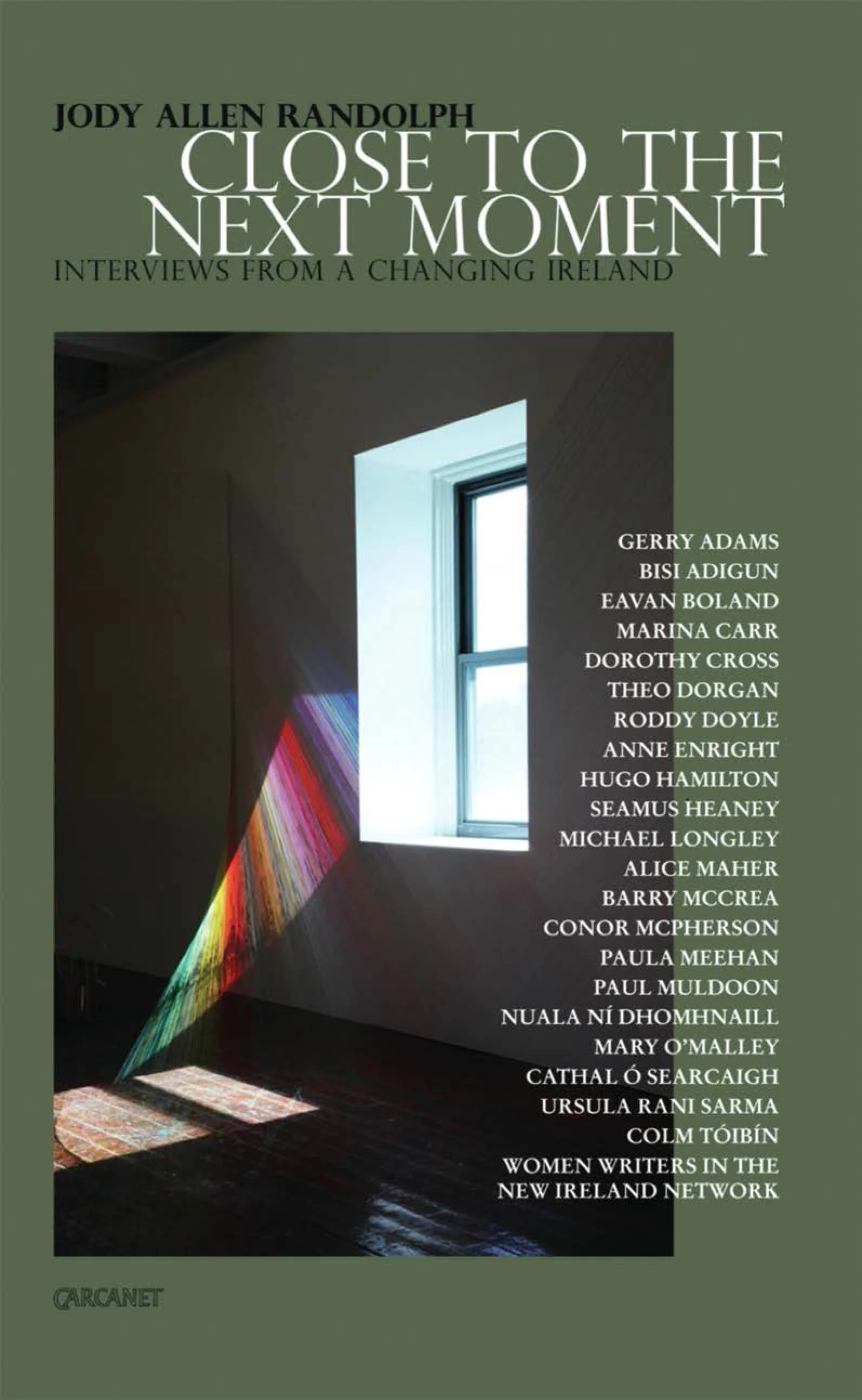
In the first decade of the new millennium, Jody Allen Randolph interviewed twenty-two leading Irish poets, artists, fiction writers and playwrights to create a record of how the makers of a culture saw their country as it moved into a new era. Her exploration was shadowed by intimations of unease; as economic collapse gathered pace, recurrent concerns gained a new urgency. What are Irish values? How have they changed? How do new cultural realities affect the old arts of language and image which have been so important in Irish tradition?
In journeys across political divides and between languages, from Seamus Heaney and Nuala Ní Dhomhnaill, deeply rooted in Irish inheritance,to African-Irish Joyce Akpotor; from Gerry Adams for whom ‘when our future is settled, we will agree on our history’, to the artist Dorothy Cross who brings an international perspective to her redefinitions of Irish imagery, Close to the Next Moment captures the conversations that are remaking a culture.
180 Pages
©2008
Publisher: Lives and Letters
Purchase includes: EPUB, MOBI & PDF
Read reviews on Amazon & Goodreads
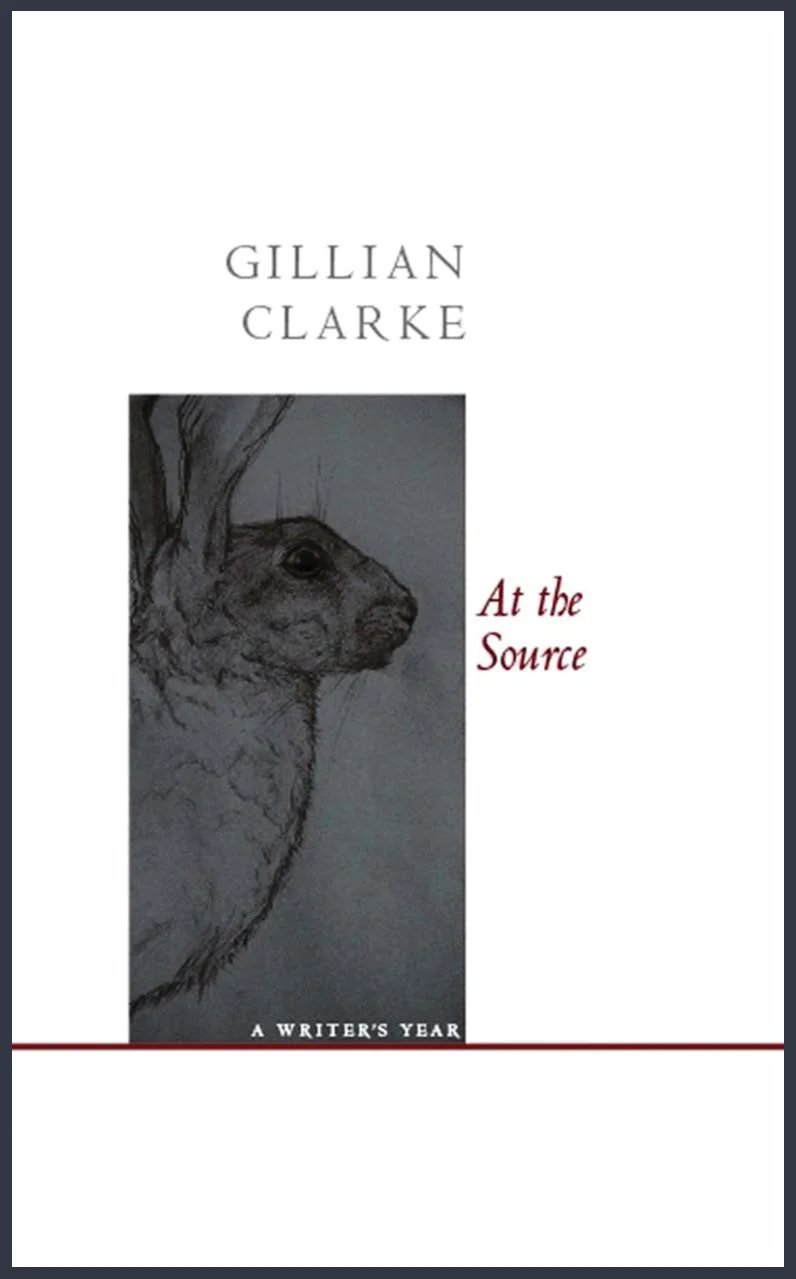
At the Source reflects upon a writer’s deep inheritance of language, myth and nature. Her creative journeys begin from those sources. The book opens with a house, Blaen Cwrt. A river rises, a tributary which will flow on to the Atlantic, and a family has its roots there. There the Welsh poet Gillian Clarke writes in what was the byre, looking across a landscape worked and imagined by generations of farmers and poets.
Six chapters explore the relationship of places and languages, culture and family, geology and myth, in a poet’s imagination. At the heart of the book is a journal of the writer’s year. Lyrical, wise, meticulously observant, often humorous, Clarke records the experience of living and working on the land, observing the world from a particular place, the continuity and remaking of the source.
Gillian Clarke’s outer and inner landscapes are the sources from which her poetry draws its strengths.—Carol Ann Duffy, Guardian
Gillian Clarke’s [poems] ring with lucidity and power... Clarke’s work is both personal and archetypal, built out of language as concrete as it is musical.—Anne Stevenson, Times Literary Supplement